
How do I keep mentally healthy?
While many things in life are beyond our control, when it comes to our mental health, there are known and trusted things that we can do to help keep mentally healthy.
Being proactive and prioritising our mental health and wellbeing is key. The most effective way to promote and support your mental health is found in the principles of Act Belong Commit. Being active, having a sense of belonging and a purpose in life all contribute to good mental health.
What matters most is putting these three words into action.
Act – do something
Keep active in as many ways as you can mentally, physically, socially, spiritually, culturally.
Physically active
Any movement is beneficial for your mental and physical health. You don’t need special equipment or intense workouts — walking, stretching, gardening, or dancing all count.
Doing something you enjoy makes it more likely you’ll stick with it. Aim to make it part of your daily routine. Exercising outdoors in nature can give you an extra boost for mental wellbeing.
Being active with others can make it more fun and help you stay motivated.
Mentally active
Just like physical fitness, your brain benefits from regular training. Learning something new or solving a problem builds self-confidence and strengthens thinking skills.
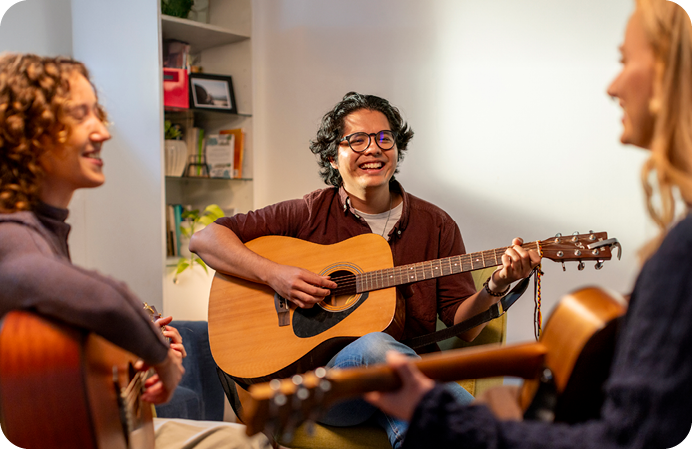
Choose mental activities you enjoy — reading, playing music, doing puzzles, cooking new recipes, or learning a language. Activities that also benefit other areas of your life, like healthy cooking or budgeting, give you an added sense of accomplishment.
Socially active
Connecting with others is vital for mental health. Spending time with friends, family, colleagues, or neighbours provides a support network in good times and bad.
Social activity doesn’t have to mean big events — it could be greeting your neighbour, joining a local group, or attending community, music or sports events.
Spiritually active
Spirituality means different things to different people, but it often helps us keep perspective, reduce stress, and feel hopeful.
It can be expressed through religious practice, or in non-religious ways such as mindfulness, spending time in nature, creative arts, or cultural connection.
Making it a regular practice — daily if possible — strengthens the benefits.
Culturally active
Cultural activity connects you with your identity, history and community. It might be attending festivals, celebrating traditions, learning your language, or sharing cultural practices with others.
Cultural engagement builds pride, belonging and resilience, and offers meaningful ways to connect across generations.
Belong – do something with someone
Keep connected – to friends, family and community.
Join a book club, join a sports team, take a cooking class, go to community events.
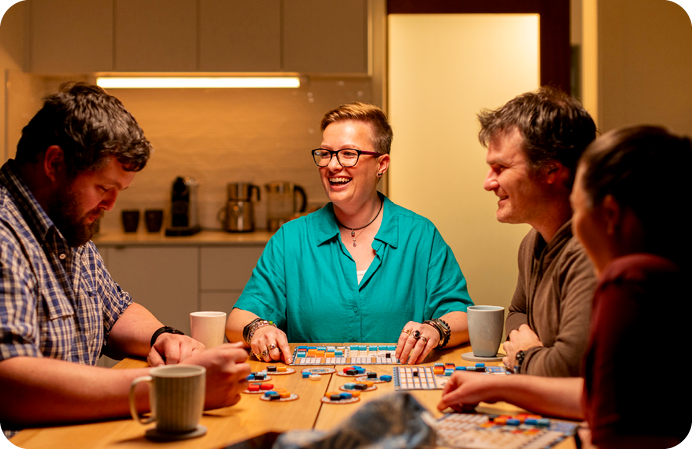
Relationships and social connections provide us with a sense of belonging, which is essential for our mental health and wellbeing. Belonging to groups, whether formal or informal, large or small, local or even international, contributes to our identity and who we are. Belonging helps define our sense of identity and satisfies our psychological need for friendship.
You don’t have to belong to a particular type of group – it’s more important that you get amongst something of value to you. Take your pick – a sports team or club, book club, social group or local community group, the list goes on.
Belonging to a group keeps you active. For example, joining a book club keeps your mind active and joining a sports team keeps you physically active. Engaging with cultural practices together benefits the next generation too, fostering a sense of belonging at a young age and keeping you culturally active. Belonging to a group also helps you commit. Volunteering or committing to a cause often happens from within a group.
Commit – do something meaningful
Do something meaningful, important and valuable to you.
Volunteer, learn something new, take on a challenge, take up a cause, help a neighbour.
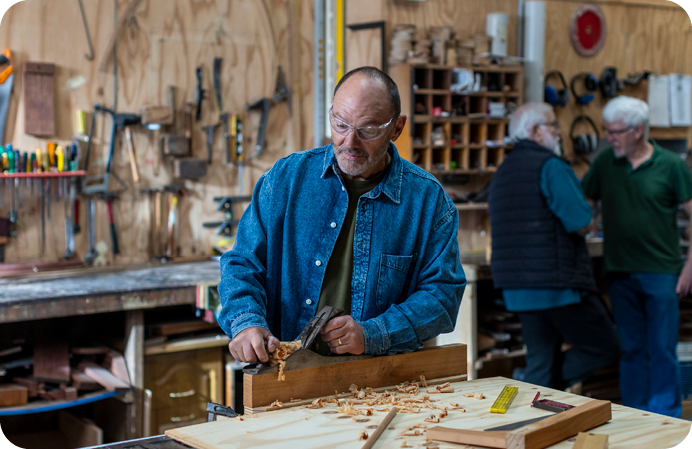
Commit refers to doing things that provide meaning and purpose in our lives. These can range from successfully completing challenging tasks to volunteering and doing good deeds for others. Committing often helps us Act and Belong. It’s a win, win, win.
Doing something we are proud of, especially when it’s challenging, builds self-confidence and self-esteem. Setting personal challenges and goals gives you something to aim for and helps you keep going when things are a bit tough.
Volunteering can provide meaning and purpose in life and a stronger sense of connection to the world and humanity. The more we commit to a cause, interest or a group, the greater our sense of self and satisfaction with life. Volunteering often gives more reward to the person giving back compared to the person at the receiving end. Giving your time and energy for a good cause makes you feel really good about yourself.
A simple and easy way to feel good about helping others is to start with acts of kindness. An act of kindness could be towards a stranger, a neighbour or friend, and could be as simple as a greeting or saying thank you when someone doesn’t expect it.
You don’t need to overhaul your whole routine to start seeing the benefits — just one small action can make a difference to your mental health and wellbeing.